
Why do we tolerate people in Spiritual Authority to mis-represent the Bible?
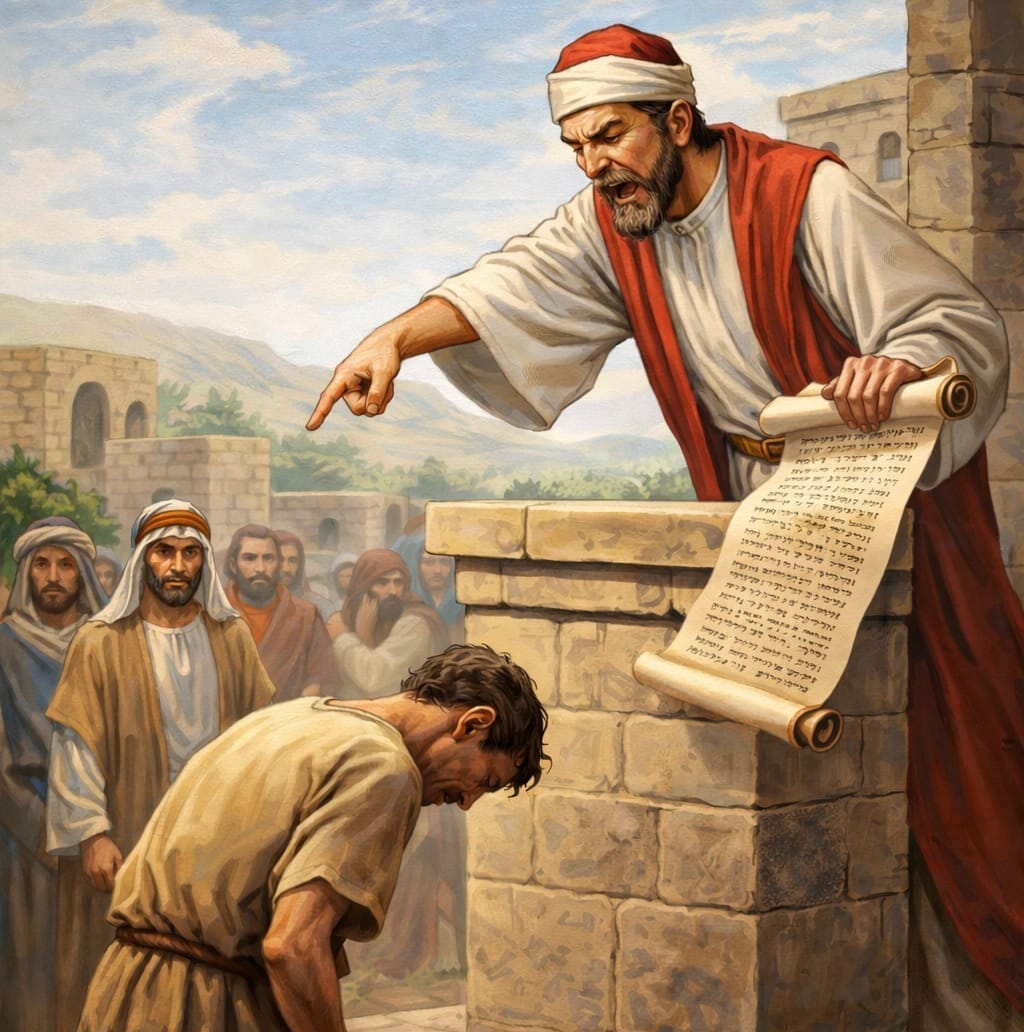
At some point, many of us were taught- explicitly or implicitly- that questioning spiritual authority was the same as questioning God.
That assumption alone has done immeasurable damage.
Most people who sit in churches, small groups, or under spiritual leadership genuinely love God. They want truth. They want to live rightly. And yet, many have never been taught how Scripture is actually meant to be understood- only how it has been presented to them. (Matthew 15:6-9)
That distinction matters more than we realize.
Hermeneutics, Exegesis, and the Problem We Were Never Taught to Name
Hermeneutics is the lens through which Scripture is interpreted.
Exegesis is the discipline of drawing meaning out of the text—considering language, culture, audience, and historical context.
What many of us were unknowingly handed instead was eisegesis—meaning being read into Scripture to support a belief, agenda, or power structure already in place.
The tragedy isn’t that people interpret Scripture differently.
The tragedy is that most believers were never taught the difference.
I have spent the last 25 years plus studying the sacred texts, only to find in these past 6 years that I still wasn't digging deep enough. I still held a. lot of mis-represented beliefs. It wasnt until the foundation of my life was shaken that I scrapped everything I knew and began again, only this time digging as deeply as I dare to. At the very end of 2025 (December 31) I came to discover the words above and their definitions; words to bring voice to what my heart has felt all along. This begins a new chapter in my spiritual journey.
When Authority Replaces Understanding
Spiritual authority was never meant to replace personal discernment. It was meant to support it.
But somewhere along the way, confidence became more persuasive than context. Titles carried more weight than humility. And interpretation became centralized in the hands of a few- while the many were encouraged not to question, but to comply. (2 Peter 3:16)
Not because leaders were always malicious.
But because unchecked authority rarely pauses to examine itself.
The Cost of Misrepresentation
When Scripture is misrepresented, people suffer.
Verses meant to bring freedom become tools of control.
Texts meant to heal become justification for harm.
And those harmed often walk away believing they failed God- or that God failed them- rather than recognizing that Scripture was never speaking what they were told it said.
This is how spiritual trauma forms. Quietly. Respectfully. Under the guise of obedience.
Why We Tolerate It
Because questioning authority feels dangerous.
Because belonging to a spiritual tribe feels safer than divine truth.
Because certainty- even borrowed certainty- feels more comfortable than wrestling with complexity.
And because many were taught that faith meant submission, not understanding.
Yet, Scripture itself tells a different story.
Jesus Didn’t Challenge Scripture- He Challenged Its Misuse
Jesus’ strongest rebukes were not aimed at sinners unfamiliar with the law- but at religious leaders who knew it and misapplied it.
“You have heard it said… but I say…” was not rebellion.
(Matthew 5:21-48 Jesus' famous Sermon on The Mount)
It was context restored.
Jesus didn’t dismantle Scripture. He dismantled interpretations that served power instead of people.
Reclaiming Scripture Without Losing Faith
Faith that cannot survive honest examination is not faith- it is dependency and in some cases a co-dependency is built on these false notions of faith, and a power dynamic emerges.
Scripture invites engagement, not passivity.
Discernment is not disobedience.
And asking better questions is often the most reverent act of all.
(Acts 17:10-12)
You are not dishonoring God by returning to the text itself.
You are honoring Him by refusing to let His words be used to harm.
(Matthew 23)



Receive soulful reflections, program updates, and encouragement for your healing journey.
@2025 Copyright